According to a recent study from NDP group, a consumer and retail information company, the number of legally downloaded videos online are outnumbered 5 to 1 by illegal downloaded videos from P2P networks and BitTorrent sites.
Some quick facts:
Legal video downloads were mainly from:
Apple iTunes – 90%
Vongo – 5%
MovieLink - 3%
CinemaNow – less than 1%
Illegally downloaded video consists of:
60% were adult orientated
20% were TV Shows
5% were mainstream movies
Legal downloaded video consists of:
62% were TVshows
24% were music
6% were Movie
With regards to the last statistic of what most legal video downloads are, this is pretty inaccurate since it has completely ignored legal adult video downloads and so must only be taking data from places like iTunes and CinemaNow which don’t sell much adult content. Paid adult downloaded video will still make up a high percentage of legal downloads, but is much harder to track due to the number of adult video outlets on the internet. I estimate the figure to be anywhere from 25 – 50%.
I personally think that illegal downloads being 5x more common than legal ones is conservative. The actual figure may be a lot higher, and is it any surprise given the benefits of illegal video over legitimate video downloads. No DRM and a cheap price tag makes illegal downloads a lot more attractive.
ExpoTV, the YouTube of user generated video product reviews, takes $6 million in SeriesA funding.
Verisgn P2P video service
Verisign is to launch a video delivery system for online video downloads which can use P2P technology. This is the company’s natural progression after its $62 million purchase of Kontiki2, a P2P technology company, earlier this year.
2.95 million IPTV subscribers
Global IPTV subscribers reached 2.95 million as of 30 June 2006, up twofold from 1.47 million a year earlier, according to research from Point Topic.
Google vs. Baidu
Search Engine giants Google and Baidu are preparing for battle as they both look to expand their internet video offerings in China.
1 million Chinese IPTV subscriber
The number of IPTV subscribers in China could exceed 1 million in 2007, skyrocketing from the current 100,000 subscribers.
Cavalier and Talk America
Cavalier and Talk America complete merger which will see the company aiming to provide its revolutionary new "IPTV" service to millions of additional cable customers.
Summary: I’ve managed to get some thorough information (including screenshots) on the highly anticipated Venice Project that opened its doors last week to private beta testers. By all accounts the Venice Project still has some way to go and while it looks promising it was in many ways also disappointing. Despite this I’m personally very excited about what the Skype and Kazaa founders are bringing to the table with the Venice Project.
After chatting with someone who tested out The Venice Project here is what I found out:
Good Points:
Video quality is acceptable in full screen being better than most online TV channels.
The channel lineup, although small looks well on its way. Channels are highly focused catering to specific audiences. For example you’ll find a channel devoted to a particular band, or a channel on documentaries, or a channel about cars.
Advertising is minimal with only short clips of a few seconds that display a brands logo and byline with maybe a short spoken sentence. For example you could expect a quick view of the eBay logo and someone saying "Buy it, Sell it. Love it" and then the advert is over. This sounds good but whether the advertising will stay unobtrusive once the Venice Project gets more popular is another thing.
The user interface, although not without its problems (see below), has a fluid non-framed design that has the potential (but is not there yet) to be exported via a set top box onto a TV screen.
It uses peer to peer technology which is great for broadcasters as it allows increased scalability of viewers without pushing up bandwidth costs.
Video is on demand so it means you can watch what you want when you want it.
Individual videos contain descriptions.
It has a search feature allowing you to find specific videos
Interactive features are available including channel chat rooms and the ability to rate channels.
In context information is available for certain channels providing more information on what you see on screen and possibly providing in context advertising.
It looks like there will be plugins for extra features which will hopefully be open to third party developers.
Bad Points
Video playback is temperamental, when it works fine it almost feels like watching regular television but more often than not it is very jumpy and jittery with pauses lasting a few seconds and interrupted sound. It is almost like The Venice Project has an embarrassing stutter.
The user interface is not intuitive and takes a bit of figuring out which can be an instantly off putting to many novice and impatient users. It is difficult to work out what certain buttons do and they often have unexpected results. The main problem with the GUI is finding how you navigate through the different menus and what buttons you click to perform certain actions.
Being already in beta the design of the GUI may not change much and only minor improvements will be made which is worrying. There are more details on the GUI along with screenshots below.
The Venice Project seems to have huge problems with CPU usage, sometimes it is okay but it seems that once it has been on a while it eats up CPU while playing video. Even when video is stopped the CPU usage hovers around 20%. This can make the video that is playing very choppy and the whole thing extremely unresponsive.
The Venice Project can use high amounts of bandwidth (both upstream and downstream) per hour which could really annoy your broadband service provider and be a problem if you have a bandwidth limited plan or share your internet connection with others.
There is a slight, but just about acceptable delay, before starting a video once you click play.
It doesn’t seem to be possible to fast forward or move to points further along in the video.
Peer to peer playback on video may not be highly scalable at this point because people have restricted upload bandwidth meaning they will take in more than they give out. The Venice Project will run in the background when you’re not watching it redistributing video to other users but many people won’t like this and will turn it off.
The channels on The Venice Project are not the free rolling horizontal channels that we are used too. The channels are simply a selection of videos that can be played on demand. This means that what you have is a library of on demand videos which because of the poor user interface will become almost impossible to manage if it is not improved. For example how will you know when something new has been added to a channel or what you have and have not watched?
Watching video on demand is not something we are used to when it comes to watching TV, people have the habit of flicking through what’s on rather than making a decision about what show to watch. The Venice Project would benefit from some free rolling channels for when you just want to watch something but you don’t know what.
With all this video The Venice Project would benefit from having some sort of recommendation feature that tells you things you might like to watch, although I think this is under development.
Screenshots
The General User Interface A good layout and open design but not always simple to follow
Channel Catalogue
A catalogue of all the channels which reportedly doesn’t work well at this point.
My Channels
Scrolling the menu and selecting channels is not intuitive
Information Box
The information box is handy to tell you what the current video is about
Interactive Features
Rate the channel you watch and chat with other viewers. Brilliant!
Extra information An information box relevant to what you see on screen. Possibilities for in context targeted advertising.
Browse Videos You can preview a description of the videos on a specific channel
Search Feature
You can search for videos and even make that search form a channel
Future
Many of the negative points here will hopefully be addressed by The Venice Project development team resulting in a more intuitive GUI while also improving the stability of the peer to peer system and the software itself. Whether the development team can do this for a January release is another thing. The bandwidth requirements will become less of an issue as time goes on and broadband infrastructure improves.
There are also rumors that The Venice Project will allow users to upload video to the video networks too creating a YouTube type system resulting in even more content for the system.
Overall the Venice Project sounds very promising and despite the problems described here the potential for this is huge. The satellite and cable companies must really be worried at this point and hoping that the demand for High Definition video — which the internet can’t quite deliver smoothly yet — will outweigh the demand for free internet on demand video.
With the Venice Project I expect Internet TV to gradually start entering the living room with an increasing pace during 2007.
Philips, the company that was not so long ago criticized for its patent that would stop advert skipping on DVRs, is now developing anti piracy technology that will help online video sites restrict use of copyrighted video.
The technology is able to take a digital bitstream “fingerprint” of videos and hold them in a library. Then when videos are uploaded to video sharing sites the fingerprints can be compared to copyrighted videos allowing efficient filtering videos to take place.
This would allow sites like YouTube to control copyrighted infringement on its site, but this could very well be at the expense of its users who may move to video websites who are out of reach of US copyright law.
The video fingerprinting technology could also be a very powerful weapon for the media companies worried about copyright infringement on sites like YouTube since they could request and probably force many video sharing sites to use such technology.
With copyright infringement out of the way the media companies could quite happily keep all their copyright content on their own YouTube clone that is currently rumored to be under development. This would leave other video sharing sites missing a lot of valuable video.
Video piracy is a hot topic at the moment with many startup companies such as Attributer working in the exact same field and Widevine Technologies developing technology to stop downloaded video from being copied.
The Chinese Government has recently signed a memorandum of understanding with a number of media industry associations to help fight piracy and protect online copyright. The industry associations involved are the Motion Picture Association of America, the Business Software Alliance, the Association of American Publishers and the Publishers Association of the UK.
The Chinese government will be required to pass on information about piracy cases that they detect upon request from the media associations which in theory should make it harder for pirates to hide out in China. Whether or not this will actually work in reality is yet to be proved.
According to IDC, a research firm doing annual studies country by country, the piracy rate of software in China reached 86 percent last year and resulted in more than three billion dollars in losses by 2005. Piracy in China extends well beyond software with China beleived to be the world’s leading source of pirated goods in general. American officials say Chinese piracy costs legitimate producers up to $50 billion a year in lost potential sales.
Do you love india? Then come and share the indian experiece at Amazing India
What better use of the new internet TV medium than using it to promote environmental issues. Green.tv is doing just that by bringing a variety of environmental videos onto the internet through its unique website and video player. The video player is able to automatically detect the best plug-in you have and will play in Flash, WMP or Quicktime
Green TV was launched back in March and has already experienced good press coverage for such a niche internet TV channel. I recently interviewed Ade Thomas, the Managing Director of green.tv and I am personally very excited and impressed by what green.tv is doing now and in the future.
Ade Thomas - Green.tv Interview
Are you a non-profit organization?
green.tv is a non-profit organisation applying for UK registered charity status.
Sum up the aim/mission of green.tv.
green.tv aims to communicate environmental ideas in as engaging a way of possible to a worldwide broadband audience. We try to do this by uniting the emotive power of TV with the engagement potential of the internet.
What’s left to do to launch green.tv fully (i.e get out of beta).
We have only really built TV on the internet. We don’t have the community tools and the user generated content functionality that will see the site achieve its objectives.
Other than the internet do you foresee any other media outlets for green.tv (e g traditional TV, TiVo).
We’re hoping to be part of the BT Vision package and also Apple’s new iTV rollout. Apple has given us a front page banner on iTunes for three months this year.
We’re hoping to be part of the BT Vision package and also Apple’s new iTV rollout
According to Alexa (which I know can be inaccurate) your site is not hugely busy (despite reasonable press coverage). Does this concern you?
Yes it does. We have around 40,000 unique users a month and over 1/2 million hits but we want more. We’ve just had prominent links put in place on the Greenpeace International site and the United Nations Environment Programme homepage, those have increased our traffic.
What do most of your viewers come from (e. g. iTunes, Google) and how many viewers do you have?
Having spent three months on iTunes, we get a lot of repeat business from that podcast. We’ve been written about on the BBC News website and get other great PR (we we’re mentioned as one of the Observer newspaper’s favorite websites) and also on the Register. This all gives our traffic a boost. When we launch our User Generated Content (UGC) and community tools, we’re hoping this will boost our audience.
Where do you get most of your video content from?
Most of our content comes from non-governmental organizations, public sector bodies and sympathetic companies. Our two biggest content providers are Greenpeace International and the United Nations Environment Programme. We recently signed a deal with Greenpeace to show all their films on green.tv. We currently have over 35 of their films on green.tv in a dedicated channel.
What are your biggest challenges in getting video content?
We don’t have a problem aggregating content. We know all the main environmental organizations and they know us.
Why did you choose to work with LargeBlue and Espians rather than a more popular video delivery service such as Narrowstep or Brightcove?
green.tv was built in-house by largeblue, which is my video and digital media company and by ESP who we know prior to building green.tv. We wanted to build our technology in-house because we have some exciting ideas about where we want to take broadband TV.
Many web TV sites that feature TV shows and video clips allow their video to be embedded on other websites for increased exposure. Why have you not chosen to do this?
All of our content is available to other users. We have an RSS feed. We recently signed a contract to formalize this with public.tv - the new broadband TV channel for the public sector set up by Nigel Dacre who used to oversee ITN.
Do you have any competitors?
Treehugger in the States is our main competitor. They just launched Treehugger TV. As the environmental area is not exactly rich pickings, it’s not an area that is being particularly targeted by new entrants.
What is your favorite environmental film on green.tv and why?
Store Wars - the organic parody of Star Wars. This was the most watched Flash movie on the internet during 2005. I also really like the latest Greenpeace 4×4 film. It starts off quite subtlely and then becomes much less so.
What do you consider the biggest threat to the environment?
Climate change. We are frying the planet and no one seems to care. I’m personally shiting myself!
How do you intend to reach people who are not concerned about the environment? How do you see the internet helping?
We’re trying to use humor wherever possible. If we can draw an audience in using classic viral video techniques then we’re able to reach a wider audience. A good example is a film largeblue produced for the Environment Agency which was written by and starred the impressionist Alistair McGowan - See it here.
We’re thinking of a series which will feature green bikini babes teaching people what they can do to help the environment.
We’re about to launch a music channel showing videos with an environmental message. This should reach a wider audience. There’s a great video going up on launch which is a remix of Pink Floyd’s Another Brick in the Wall by Eric Prydz. We’re constantly trying to think of ways of reaching a more mainstream audience. We’re thinking of a series in partnership with either the Sun or the Mirror which will feature green bikini babes teaching people what they can do to help the environment.
What has been the single most exciting moment while launching green.tv?
Launching in March was the best moment. We have the best URL for the job, a great team of people, a really important message and great project partners. The next best thing will be the launch of our world-beating community tools. We’re hoping to really make our audience a central part of the channel and to see lots of great user generated content.
The PSV-351 is the follow on from Pure Digital’s disposable video camera from last year, except this time around it is reusable. The camera has been built with the user generated internet video phenomenon in mind.
The 512MB PSV-351 is a very amateur friendly camera being a cheap device which is very easy to use with only a few nice big buttons for fat hands. Being small, cheap and easy to use makes a perfect companion for “spare of the moment” video shots for any amateur documentary, reality TV show, or news program. Its not the highest quality video but more than sufficient for internet video.
Simply film, copy to PC via USB, upload to YouTube and re-use.


 Summary: I’ve managed to get some thorough information (including screenshots) on the highly anticipated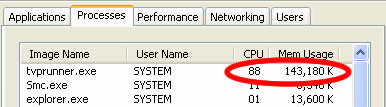


 is the follow on from Pure Digital’s disposable video camera from last year, except this time around it is reusable. The camera has been built with the user generated internet video phenomenon in mind.
  Subscribe to WebTVWire.com