Peer to Peer Category
Peer to Peer technology used for TV and video distribution

Peer to Peer technology used for TV and video distribution
 Have you ever wanted to download
world cinema movies from the web? Well now you can, as Jaman allows you
to do just that with a dedicated service making the best of independent
world cinema available to rent and buy.
Have you ever wanted to download
world cinema movies from the web? Well now you can, as Jaman allows you
to do just that with a dedicated service making the best of independent
world cinema available to rent and buy.
You can even discuss the films with your contacts online using the social networking community functions built in to Jaman.
Using the latest peer-to-peer technologies to effortlessly distribute fantastic looking, high-definition video across the web, Jaman offers a significant increase in video quality, and choice of content, over anything I have seen to date.
 You’ve all got your lovely brand new iPhones now then? No, ah well, those who have could be using it to download movies and media torrents.
According to a recent article on Torrentfreak, it may be possible to run Bittorrent on your Apple iPhone.
In the article they discussed the fact that the hardware of the Apple product may make it a viable option, but there are some obvious obstacles.
This is a portion of the original article:-
“The technical specifications of the device certainly make it possible. It has more than enough cpu power for it, assuming a nice, tightly coded client was written.
The built in WiFi (802.11b/g) and use of the EDGE 2.75G wireless network data transfer system allows a fairly widespread availability of reception.”

Internet Video newcomer Selfcast is attempting to be the next YouTube, only it’s content is live!
Selfcast is a platform for easily broadcasting video content live across the web. It’s the current pet project for London technology company RawFlow Ltd – a project six years in the making according to a report in the Scottish Sunday Herald.
The unique difference Selfcast brings to the cutting room floor, compared to popular video sharing sites such as YouTube, MySpace and Blinkx.com, is live content streaming. Videos aren’t stored on the site – instead you have access to hundreds of shows that are being broadcast live.
 Jaman is a P2P video client enabling users to purchase
inexpensive downloads
and rentals of films over the web. It focuses on the independent film
circuit
with International audiences.
Jaman is a P2P video client enabling users to purchase
inexpensive downloads
and rentals of films over the web. It focuses on the independent film
circuit
with International audiences.
Jaman launched a few months ago, so let’s take a look at what has changed, if anything, since then.
As it turns out, its creators have done quite a bit. Some alterations, some enhancements, some more polish. It’s moved along.
With the new Jaman, users can commence with a film soon after a download begins (granted that the broadband connection is fast enough to ensure the data comes down more quickly than video is played back.
Plus with an improved layout to the website and a new
community page (one of
those more interesting features of the Jaman project), the whole
package looks
a good amount more attractive.
When YouTube started blazing onto everyone’s PCs bringing a new world of amateur content and entertaining clips we began to see the potential for watching video online.
When Joost released its first beta we caught a peek at the potential of an internet television platform that could create a TV-like experience.
These two companies have become synonymous with the internet TV revolution. But while everyone has been focusing on the likes of Joost and begging for invites, another internet video start-up has creeped onto the scene to contend with Joost.
The name of this promising start-up?
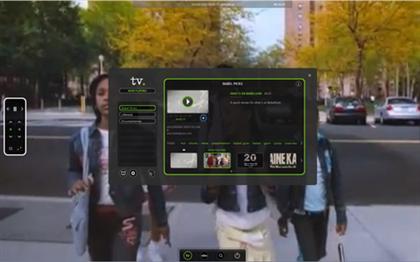
With its full-screen display, TV-like interface and streaming content Babelgum was bound to be compared directly to its nearest rival Joost, which has already gained a significant following and position within the market.
 Joost recently announced unlimited invites to download and beta test the Joost software. It was then inundated with new users which saw Joost struggling under the extra load from these users.
However, Joost is not being discouraged and is actively encouraging more users. It already made it extremely easy to get an invite and now I just received this email encouraging me to invite more people to Joost:

Back in January the BBC was given a provisional approval for the BBC iPlayer that would allow BBC TV shows to be distributed online using peer to peer technology for up to 30 days.
Now the BBC has been given the full and complete approval after working out the concerns and details of the iPlayer service. The service will appear later this year bringing BBC shows such as EastEnders and Doctor Who online.
Video Conferencing With Skype:
Free Video Conferencing Guide
tVadio - Internet TV Guide:
Watch free internet TV channels
FREE VideoMaker Magazine:
Click Here to get a FREE Issue of the #1 magazine on Digital Video!
WebEX PC Now:
Access Your PC Remotely